

Cyberpunk 2077 proves once again that video editing makes for a great game mechanic - butlermarstole
Cyber-terrorist 2077 proves over again that video editing makes for a great bet on mechanic
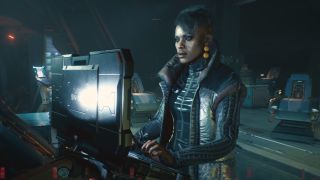
Martin Martin Scorsese is nix without Thelma Schoonmaker; Brian De Palma wouldn't have changed cinema without Paul Hirsch, nor Spike Tsung Dao Lee without Barry Alexander Brown. Great film directors are only As good as their as bully editors - the the great unwashe who take the naked footage, select the best shots, and determine the sequence that will deliver as a good deal tension, momentum, and emotional heft as possible.
More has transformed in the out-of-the-way-flung future of Cyberpunk 2077. Film has been replaced by braindancing, a full-perception go through that grants a substance abuser access to the recorded thoughts, memories, and feelings of another person. Just even in Night Urban center, that same oldish rule holds true.
Yes, the braindance studios require employees crazy enough to go steady and encounte trouble - to get involved in the most dangerous and exhilarating situations they can find, and bring those recordings home. But rightful As determinative is the technician who edits that footage for the viewing audience.
"After all," wrote Colin Fisk in the Cyberpunk sourcebook Rockerboy, "World Health Organization real wants to feel how the hero waited twenty minutes just to get transportation to the airport?"
And… skip!
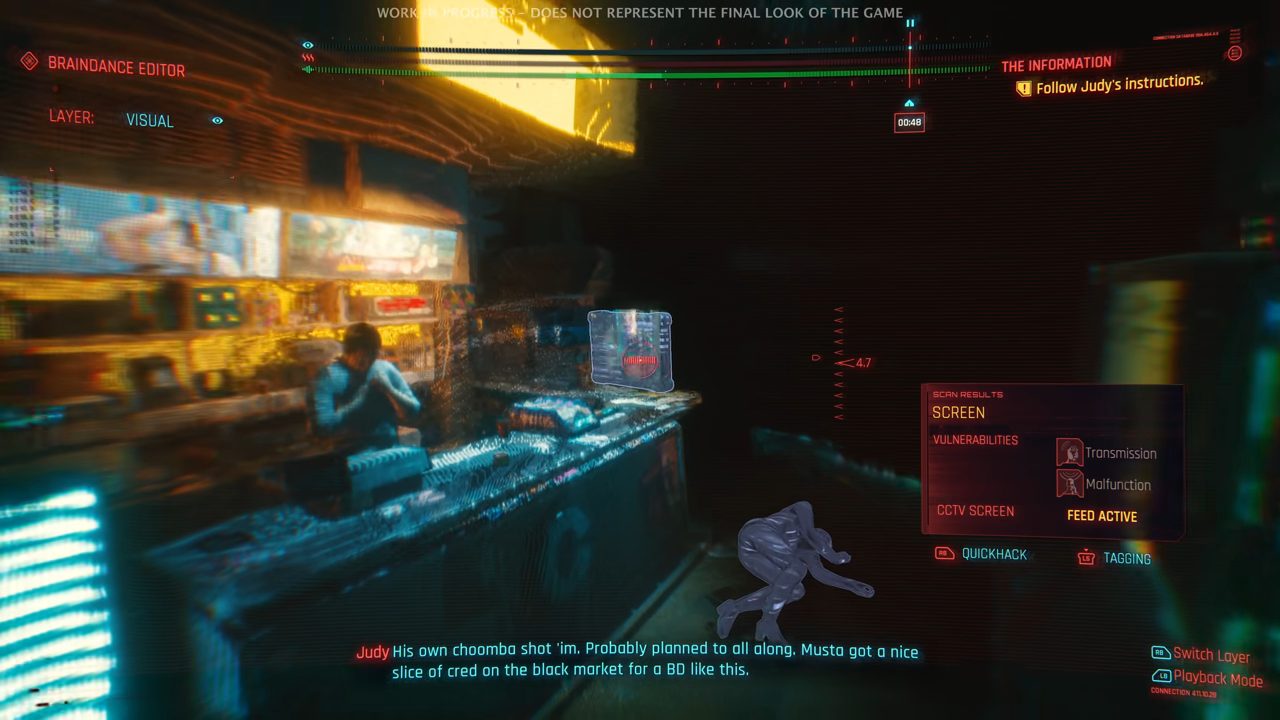
With its approaching game adaptation, CD Projekt Red has put the spotlight on the often-unnoticed editor - and drawn on the video editing software that Fisk and his blighter Cyberpunk writers could only woolgather of game in 1989.
When players are first introduced to braindancing in Cyberpunk 2077, information technology's with a simple playback. They watch an adrenaline-soaked robbery of a corner shop, in which the frantic culprit assaults a customer, grabs cash from the till, so succumbs to a slog from the gun of an unseen assailant. It's the kind of footage studios pay advantageously for: grotty and transgressive, with a taste of the final sensations that come before expiry.
When the player next jumps back in, though, they're disposed a free camera to zoom or so the same scene, observing it from any angle. They can freeze down, rewind and fast forward, operating room interchange to an audio layer and isolate background racket for close listening. In other words, they're playing with tools deeply reminiscent of serious-liveliness video editing - merely because they're fun to mess with.
"I think people inherently enjoy effectual and retelling stories, and with the right constraints and abstraction of an redaction toolset, it easily transfers to games," Bithell Games' Nic Tringali tells me. "It's a style to interact with the game that's relatively easy for players to understand, and that produces a different kind of engagement with the realistic space."
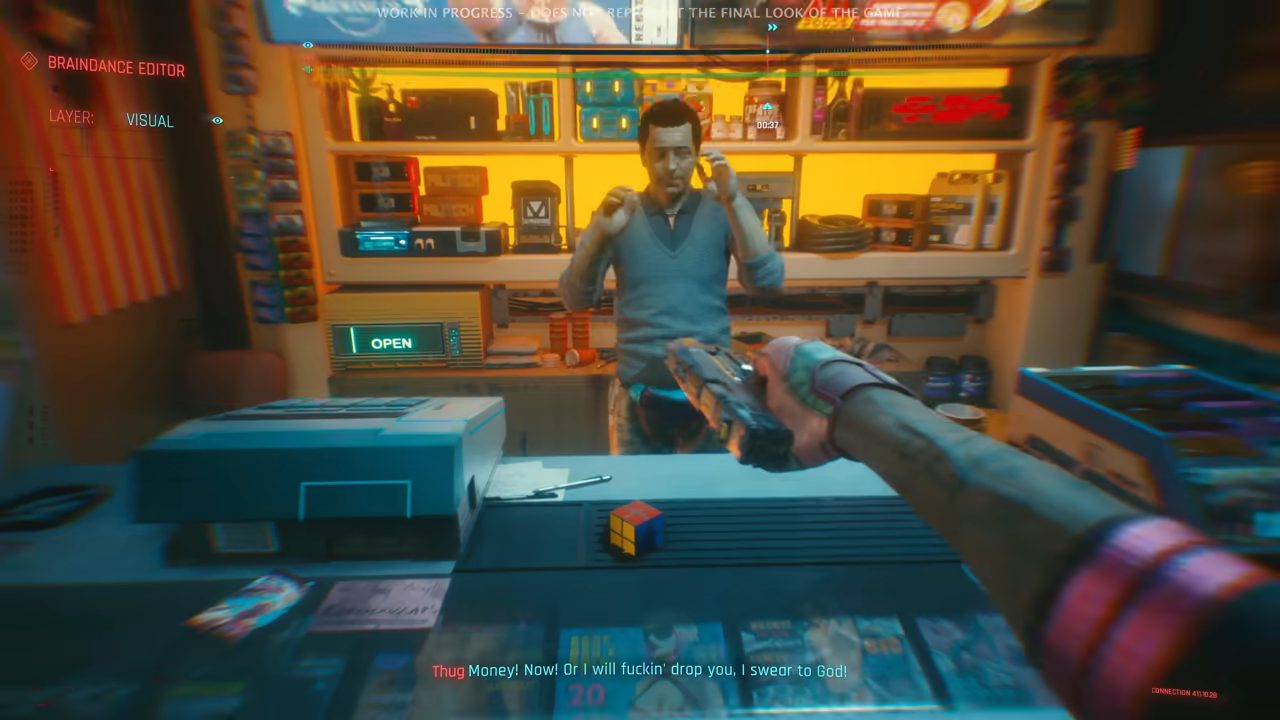
In Hacker, editing mode is an investigative tool, used to search scenes for subtle details to scan. By tapping into a surveillance camera in that corner shop at, players uncover that the perp's killer is the same friend who bimanual him a gun to live the store in the initiatory place - an unscrupulous theater director sounding to increase the value of his braindance recording with a thrillingly pathological ending.
It's a mechanic with plenty of recent preceding in AAA gaming. Lookout Dogs was founded on the idea that observing a scene from the right lean on mightiness reveal more about it. Detroit: Get Human asked its robocop protagonist to near cases by rewinding and scanning 3D footage, just as players neutralize Hacker. As a matter of fact, the idea goes back foster still, to the ironically forgotten Remember Pine Tree State, from Life is Strange developer Dontnod. In a world where memory has become a trade good, players rewind through and through scenes and tweak the props to add about distinguishable outcomes - equivalent Francis Ford Hermann Hueffer Coppola improvising an end for Apocalypse Now.
Cyberpunk might non leave you to alteration the events of its registered stories, but information technology does let you reframe them by discovering new perspectives. "The game is not only telling you a floor and inviting the player to interact with it, merely also to have a hand in retelling that story inside the game itself," Tringali says. "I think that's secretly quite stiff."
Another position
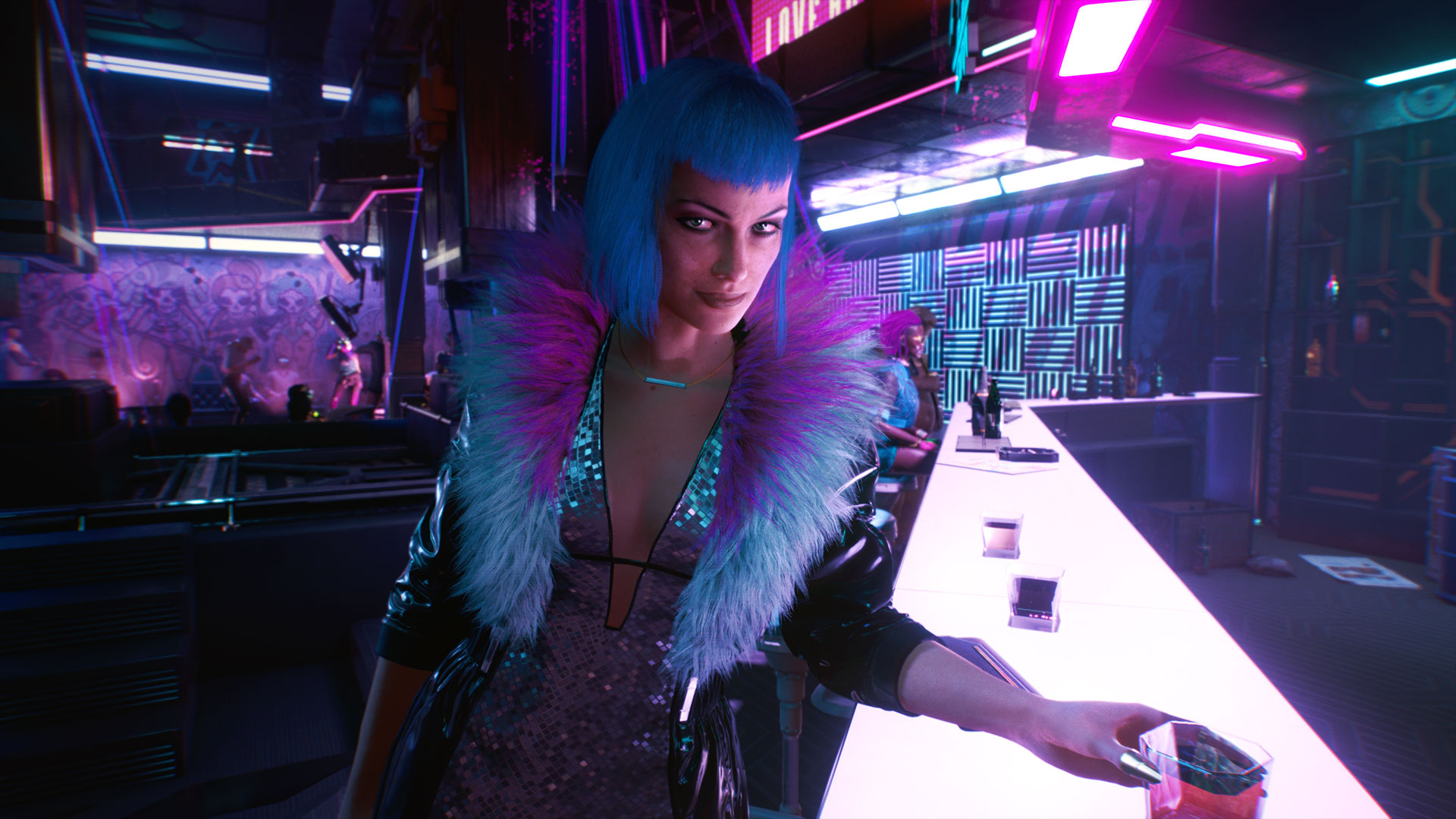
Tringali didn't work along Cyberpunk or Think Me, but helium too has condemned aspiration from video recording redaction. As a designer connected John Taper Hex, Tringali was responsible for the gamy's timeline - a means to visualize the order of soldierlike arts attacks that looks uncannily like Adobe Premiere.
"There are just few ways to show multiple blocks of varied length each bound to the same time system," Tringali says. "Information technology was a conscious movement to keep the timeline clear and simple, piece still communicating the information that only it could achieve. Looking at video editing was useful, such as the timecode and the way action blocks are divided."
Timecode gives you the number that tells you precisely where you are on a timeline - IT's how video editors synchronise different parts of their work. In John Wick Hex, it tells you how long you've got to dodge a bullet to the chest.
"The destination is for the state of the action around you to be easily read by the player," Tringali says. "They throne now form in their minds who presents the highest threat, and see how their actions will play out against them."
"I think people inherently enjoy telling and retelling stories"
Nic Tringali, Bithell Games
The fights in Hex pause betwixt actions, giving players regular opportunities to take apar approaching events in the timeline. "Being able to quickly compare when your actions will start, end, operating theater accomplish relative to the enemies around you is an advantage," Tringali says. "Much of the game is risk assessment."
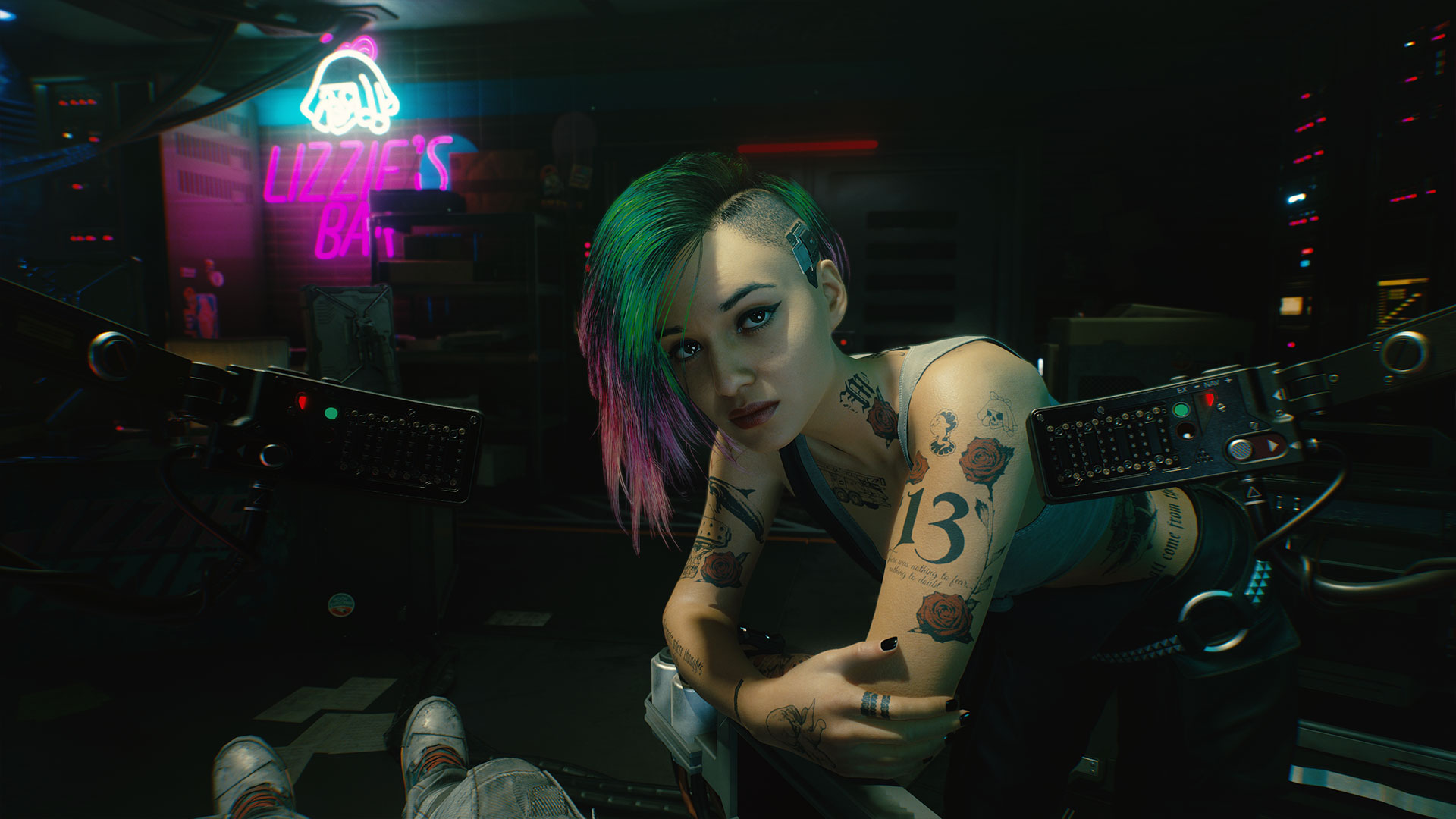
Judy, the Cyberpunk 2077 character reference World Health Organization runs a braindance retinue in Nox City, tells you to think of editing mode As your "own little sandbox". But IT's intelligibly more than that - telecasting editing has get ahead the aspiration for a complete range of mettlesome mechanism that pull on both the detail and precision committed in the sell.
"Thither's an appeal in unraveling a floor in your own way, such as in games ilk Her Story, Outer Wilds, or Return of the Obra Dinn," Tringali says. "For both designers and players."
Mayhap soon, if the vogue continues, gamers will remember to enjoin Schoonmaker's name alongside Scorsese's.
Thrillful for the game and want to reserve a copy? Then follow sure to get a load at our guide on all the best Cyberpunk 2077 pre-order prices .

Jeremy is a freelance editor and author with a decade's experience across publications like Play, GamesRadar, PC Gamer, and Edge. He specialises in features and interviews, and gets a special kick out of coming together the word count exactly. He missed the gilt age of magazines, so is making upwardly for bewildered time while maintaining a healthy modern guilt concluded the paper waste. Jeremy was in one case told off past the director of Dishonored 2 for not having played Shamed 2. Has he played information technology now? "Just about of it," he admits. Check back later Deathloop is out!

Source: https://www.gamesradar.com/cyberpunk-2077-proves-once-again-that-video-editing-makes-for-a-great-game-mechanic/
Posted by: butlermarstole.blogspot.com
0 Response to "Cyberpunk 2077 proves once again that video editing makes for a great game mechanic - butlermarstole"
Post a Comment